



Within the increasingly complex realm of international trade, few factors carry more weight than proper Harmonized Tariff Schedule (HTS) classification. A single classification decision can mean the difference between optimal duty rates and unnecessary overpayments that drain your clients’ bottom lines.
For tax advisors serving businesses engaged in global commerce, expertise in HTS classification offers much more than just a route to compliance—it opens doors to legitimate duty optimization opportunities. In this article, we’ll explore HTS best practices, the pitfalls that come with the territory, and how platforms like Harness can improve the efficiency of the whole process.
Key takeaways
- HTS classification determines duty rates, regulatory requirements, and trade restrictions that directly impact your clients’ importing costs and compliance obligations within international trade.
- Strategic classification analysis can uncover legitimate duty-saving opportunities within complex manufactured goods, particularly when multiple classification options exist based on material composition, functionality, or complexity.
- Systematic documentation practices and classification methodologies protect against often costly errors while building a defensible audit trail that demonstrates reasonable care in tariff determinations.
- Trade agreements and duty preference programs offer major savings potential, however, capturing these benefits requires precise classification combined with origin requirement compliance.
Table of Contents
- Understanding the fundamentals of HTS codes
- How HTS classification directly impacts duty obligations
- Common classification pitfalls that increase duty exposure
- Systematic approaches to correct classification
- Essential tools and resources for accurate classification
- Documentation practices for audit preparedness
- Using trade agreements for duty reduction
- How Harness can help
Understanding the fundamentals of HTS codes
HTS codes serve as the universal language of international trade. More than just simple product categorization labels, these numerical identifiers shape the entire trajectory of how goods move across borders.
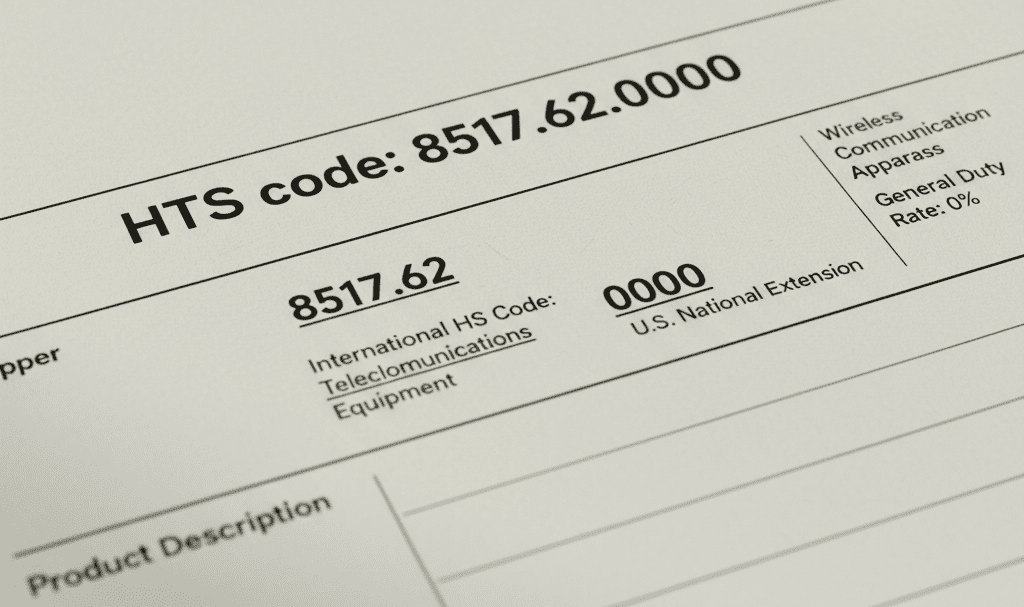
The architecture of HTS codes follows a precise hierarchy. The first six digits represent the internationally standardized Harmonized System Code, a common framework adopted by customs authorities worldwide. Beyond this foundation, countries add their own national extensions, creating unique combinations that precisely define duty rates and regulatory requirements for their jurisdictions.
As straightforward as the system may initially seem, it becomes far more nuanced when applied to real-world products. A successful classification requires intimate knowledge of the product itself—its composition, how it’s made, what it does, and how it will be used.
In major trading nations such as the U.S., India, and China, these national extensions create distinct requirements that demand careful attention. Tax advisors need to understand and manage these variations adeptly, as classification decisions that work in one market might trigger expensive complications in another.
How HTS classification directly impacts duty obligations
A single misplaced digit in an HTS code can result in a cascade of problems. A classification error involving even a seemingly small duty difference (e.g., 2% versus 4%) poses a major financial drain when aggregated over millions of dollars in imported goods.
As mentioned, classification requires a complete technical understanding of the product. The materials used, for example, are of vital importance. A chair constructed of wood falls into one tariff category, while its metal counterpart may face an entirely different duty treatment. These material-based distinctions offer natural opportunities for strategic sourcing decisions that can dramatically reduce duty obligations.
What’s more, HTS codes intersect with country of origin rules and free trade agreements (FTAs). Products can only benefit from eliminated or reduced FTA duties when they are both properly classified and correctly documented as meeting the origin requirements. This interaction between classification and origin creates opportunities for legitimate duty optimization through careful strategic supply chain design.
Ultimately, classification choices establish the entire basis for customs valuations. They determine the specific rate of duty, the method of calculation, whether special trade remedy measures apply, and which duty reduction programs are available. For complex manufactured goods, this process can become highly strategic, as multiple legitimate classification options might exist based on the product’s essential character or principal function. With thoughtful classification analysis, businesses can explore major duty-saving opportunities that lie safely within the bounds of customs law.
Common classification pitfalls that increase duty exposure
In the rush to move goods across borders, many businesses default to overly broad product categories. This seemingly efficient approach often backfires, however, triggering higher duty rates when more specific, favorable classifications would apply. Importantly, any lost savings compound with each shipment.
Even experienced importers overlook distinctions in a product’s processing level. Raw copper and finished copper wire, for example, face different duty rates. Businesses that miss key distinctions like this risk leaving substantial amounts of money on the table due to imprecise classification.
Blind acceptance of supplier-provided classifications is another costly trap. While suppliers may be experts in their products, they rarely possess in-depth expertise in destination country classification requirements. Without independent verification, their well-intentioned but incorrect codes can perpetuate duty overpayments indefinitely.
Perhaps most importantly, superficial product knowledge leads to classifications based on commercial names rather than technical specifications. A “memory foam mattress” might seem easy to define, however, without a precise understanding of its composition, construction, and materials, importers risk classification errors that can dramatically inflate duty costs.
Systematic approaches to correct classification

Effective classification starts with careful data gathering. Every relevant technical detail, from material composition to manufacturing processes, forms part of the classification process. To this end, businesses need to create standardized templates to ensure consistent capture of these key specifications.
Proper classification begins with meticulous information gathering. Every relevant technical specification, from material composition to manufacturing processes, forms part of the classification puzzle. Smart organizations create standardized templates to ensure consistent capture of these critical details.
The General Rules of Interpretation (GRI) provide the roadmap for proper classification. Working through these rules systematically—rather than jumping to conclusions—helps prevent costly missteps, especially when dealing with goods that combine multiple materials or functions.
Detailed classification rationales serve as both current reference and future protection. Beyond simply recording the chosen code, it’s important to document the reasoning behind that choice, any alternatives considered, and the specific product characteristics that drove the decision. This creates a clear audit trail demonstrating reasonable care.
Achieving long-term HTS compliance
The classification arena is constantly changing. As a result, regular reviews of existing classifications are needed to catch any outdated determinations before they create problems. These reviews should align with major tariff schedule updates and any major product modifications.
To achieve classification accuracy, organizations should embrace cross-functional collaboration. Businesses need input from product development teams who understand technical specifications, while logistics teams provide key details about how products actually move through customs. Breaking down silos in this way helps prevent classification errors long before they can impact a business’s bottom line.
Essential tools and resources for accurate classification
The Customs Rulings Online Search System (CROSS) is a valuable resource for classification professionals. This searchable database of binding rulings provides concrete precedents for handling complex classification scenarios. When similar products have already been classified, these rulings offer effective guidance.
In addition to this, AI-powered classification platforms are transforming the initial research process. These systems can analyze product descriptions, specifications, and suggest potential classifications, dramatically accelerating the preliminary assessment phase. Even though these tools may efficiently narrow the field of possibilities, human expertise is normally required for reliable final determinations.
Given the gray area that’s often involved when classifying product types and production processes, the World Customs Organization’s Explanatory Notes provide the definitive word on classification interpretation. These notes offer authoritative guidance for resolving complex classification questions, particularly for new products or those with multiple potential classifications.
Documentation practices for audit preparedness
When it comes to customs audits, well-organized documentation can make the difference between minor disruptions and major headaches. To properly document customs classification, a comprehensive file should include the final code along with the complete story behind it—technical specifications, supplier information, and detailed rationale for the chosen classification.
Organizations should also maintain records of classification alternatives they considered and rejected. This documentation demonstrates thorough analysis and reasonable care, particularly valuable when defending classification decisions during customs reviews.
Customs authorities in major trading nations like the U.S. typically have a three-to-five-year lookback period for auditing import entries and classification decisions. As a result, retaining classification files, import documentation, and all related technical data for a minimum of five years is a mandatory compliance requirement.
Using trade agreements for duty reduction
Free Trade Agreements can create welcome opportunities for duty elimination—but only for properly classified goods that meet strict origin requirements. Programs like the Generalized System of Preferences also offer major duty savings for goods from developing nations. Here again, though, classification accuracy is vital, as these benefits only apply to specific HTS codes from qualifying countries.
Along with duty reduction, duty deferral mechanisms such as Foreign Trade Zones also rely on proper classification. While these mechanisms can dramatically reduce duty exposure, their benefits only apply to correctly classified products that meet program requirements.
With a proper understanding of classification, tax advisors can help clients implement strategic business structuring to legitimately minimize duty exposure, achieving significant savings that are fully compliant.
How Harness can help

At Harness, we help tax advisors streamline the HTS classification process. Our professional community delivers the insight and guidance needed for tax firms to advise clients effectively, even in the most challenging of tariff scenarios.
With industry-specific technology such as client portals and AI-powered data extraction helping to automate back office processes, Harness allows tax advisors to spend more time on strategic decision-making. Get started with Harness and deliver the compliance and duty optimization guidance that clients truly value.

Disclaimer:
Tax related products and services provided through Harness Tax LLC. Harness Tax LLC is affiliated with Harness Wealth Advisers LLC, collectively referred to as “Harness Wealth”. Harness Wealth Advisers LLC is a paid promoter, internet registered investment adviser. Registration does not imply a certain level of skill or training. This article should not be considered tax or legal advice and is provided for informational purposes only. Please consult a tax and/or legal professional for advice specific to your individual circumstances. This article is a product of Harness Tax LLC.
Content was prepared by a third-party provider and not the adviser. Content should not be regarded as a complete analysis of the subjects discussed. Although we believe the content is reliable, it is not guaranteed as to accuracy and does not purport to be complete nor is it intended to be the primary basis for financial or tax decisions.