
Insights on tax, equity, and building wealth
Guides and analysis from the Harness team and the advisors on the platform.

How are Incentive Stock Options (ISOs) Taxed?
ISOs have a favorable tax treatment on exercise, but understanding your tax obligations and how to minimize your tax burden can be complicated. Before taking any decisions around your ISOs, it's important to understand the tax consequences and how that impacts potential future profits.
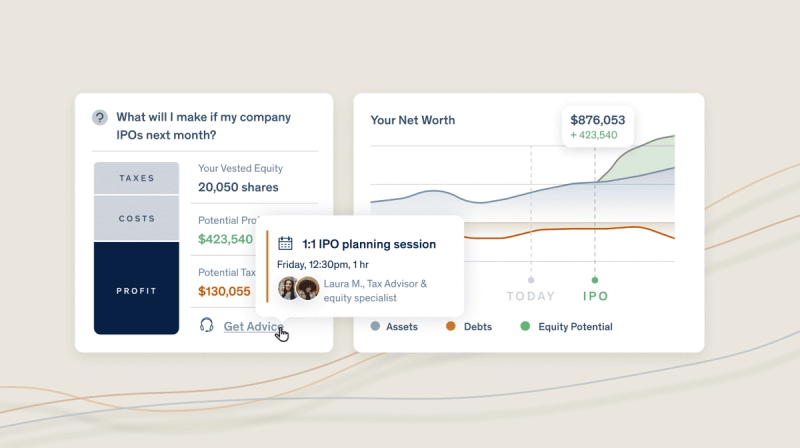
Harness Equity Tools Launches in Open Beta
We are excited about the release of the newest component to our platform, Harness Tools. This offering moves us closer to our goal of giving builders like you absolute confidence in setting the best path toward your financial future with a comprehensive view of your assets and analyzing the strategic steps to take with your equity.

How Quarterly Tax Payments Work
Quarterly tax payments can seem intimidating, particularly in the first year that this happens for you or your household. We recommend that you think of them not just as an extra bill/hassle from the IRS, but a great opportunity to start being strategic about your overall tax plan as part of your financial goals.
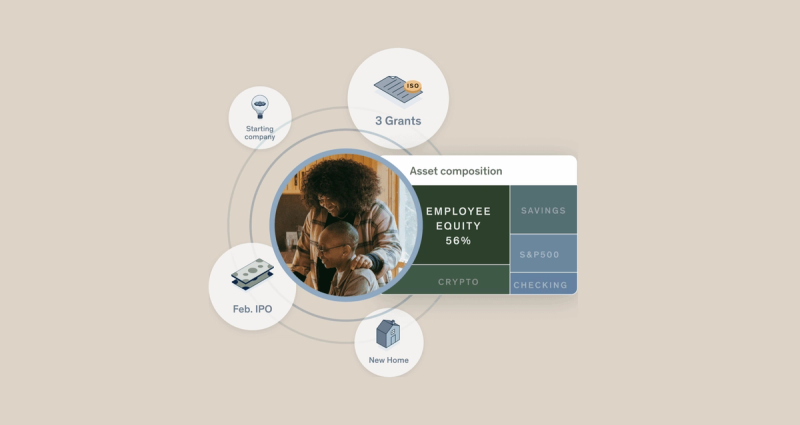
Financial Planning for Employees Before and After IPO
Working for a company that goes public can have life-changing financial consequences. It can also give rise to tax and legal issues that must be addressed proactively to protect and maximize your windfall.

Financial Wellness Employee Benefits for Startups
Amidst layoffs and IPOs in 2020, executive teams and HR leaders are reevaluating their benefits offerings in 2021 with a newly critical eye.

Liquidity Events & Equity: How HR Can Support Employee Decisions
This can be an exciting time for your organization, but if you’re a manager or HR leader, it likely means you will be facing a wave of questions from employees throughout the event about what it means for their equity and personal finances.

SPAC vs. IPO: Valuation, Lockup Period, and Employee Equity
As a founder or an employee at a company undergoing a SPAC, you should start planning as soon as you're aware the event is on the horizon. The financial impact of this event will not just be an easy windfall -- you'll have to consider the potential costs of exercising options, timing of selling shares, and the resulting tax bill before you can start thinking about how to invest your net proceeds.

Diversify Your Portfolio: How Startup Employees Over-invest in Tech
Tech as an industry has had major growth in the last few years, and continues to hold strong, even in 2020. However, recent history shows that many tech employees run the very real risk of being too invested in the technology sector. We outline the most common components that make up this overall risk below, and offer some guidance how best to balance your unique risks and opportunities.

Advice on Startup Liquidity Mistakes: IPO Experiences with AJ Wealth
We sat down with Justyn Volesko, J.D., LL.M., Managing Partner at AJ Wealth, to learn more about his business, particularly for clients going through liquidity events, such as IPOs. AJ Wealth is a Wealth Management Firm on the Harness Wealth platform.

Tax Planning for a Large Windfall or Inheritance
You'll need to plan ahead to budget for the taxes you owe and be diligent about key tax regulations you can use to your advantage to help reduce the amount of your newfound funds that you'll have to give to the IRS.

Startup Equity: Calculating Potential Windfall, Taxes and Costs
As you plan to cash out your startup shares outside of a traditional liquidity event (IPO, acquisition, merger), consider the potential value, costs, and tax considerations you'll need to keep in mind as you go through this process.

Selling Your Startup Shares: Comparison of Secondary Stock Marketplaces
For those beginning the process of executing on a secondary sale of your shares, we've outlined several specific vendors and types of sales in this article, with the relevant fees and restrictions for each.
Get the newsletter
Tax and equity insights, delivered to your inbox.