
Insights on tax, equity, and building wealth
Guides and analysis from the Harness team and the advisors on the platform.

Last Minute and Ongoing Tax Tips for 2021 Tax Year
Optimize your returns as you prepare to file this year, and understand how next year's tax bill could be affected by things you do all year long.

How are Incentive Stock Options (ISOs) Taxed?
ISOs have a favorable tax treatment on exercise, but understanding your tax obligations and how to minimize your tax burden can be complicated. Before taking any decisions around your ISOs, it's important to understand the tax consequences and how that impacts potential future profits.
Harness Equity Tools Launches in Open Beta
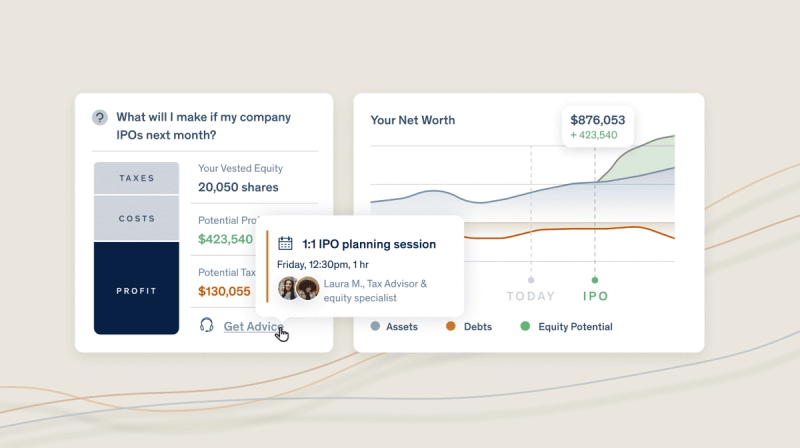
We are excited about the release of the newest component to our platform, Harness Tools. This offering moves us closer to our goal of giving builders like you absolute confidence in setting the best path toward your financial future with a comprehensive view of your assets and analyzing the strategic steps to take with your equity.

Why You Shouldn’t Wait Until Next Year to Get a CPA
As much as we would like to delay thinking about tax filings, the end of the calendar year is the perfect time to evaluate whether you have the right CPA and get the right one in place. Here are the four reasons why you shouldn't wait.

How Quarterly Tax Payments Work
Quarterly tax payments can seem intimidating, particularly in the first year that this happens for you or your household. We recommend that you think of them not just as an extra bill/hassle from the IRS, but a great opportunity to start being strategic about your overall tax plan as part of your financial goals.
Financial Planning for Employees Before and After IPO
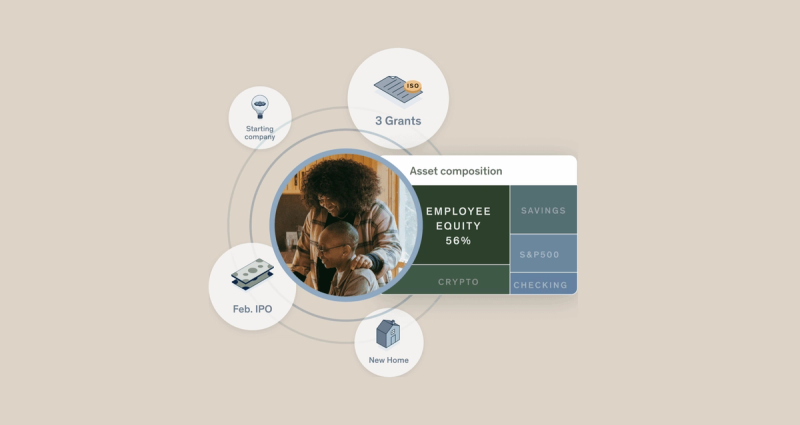
Working for a company that goes public can have life-changing financial consequences. It can also give rise to tax and legal issues that must be addressed proactively to protect and maximize your windfall.

Financial Wellness Employee Benefits for Startups
Amidst layoffs and IPOs in 2020, executive teams and HR leaders are reevaluating their benefits offerings in 2021 with a newly critical eye.

Liquidity Events & Equity: How HR Can Support Employee Decisions
This can be an exciting time for your organization, but if you’re a manager or HR leader, it likely means you will be facing a wave of questions from employees throughout the event about what it means for their equity and personal finances.

SPAC vs. IPO: Valuation, Lockup Period, and Employee Equity
As a founder or an employee at a company undergoing a SPAC, you should start planning as soon as you're aware the event is on the horizon. The financial impact of this event will not just be an easy windfall -- you'll have to consider the potential costs of exercising options, timing of selling shares, and the resulting tax bill before you can start thinking about how to invest your net proceeds.

How Harness's High-Value Marketplace Helps Clients Find Advisory Services
A few years ago, in the ideation phase of Harness Wealth, we knew we wanted to create a next generation financial platform for the next generation of builders: founders, early employees, business owners, and investors. I was able to transfer some learnings from the early and late stage developments at Compass to this new context.

Cross-state Residency Tax Considerations in 2020: The Impact of COVID-19 Work From Home
COVID-19 created many unexpected adjustments to working and moving this year. Could these changes result in additional state tax exposure and withholding obligations for individual taxpayers and business owners?

Harness Wealth Firm Consultations: What to Expect and Prepare
This guide was created to help Harness Wealth clients understand the consultation process with their recommended firms. As part of your evaluation process, and you should plan ahead for the number of meetings and documents you'll need to prepare for each type of firm consultation, and the factors you'll want to consider in deciding which firm(s) you'd like to move forward with.

Tax Benefits of a Donor-Advised Fund
A donor-advised fund is a great way to manage your charitable giving and save on taxes. You can take a tax deduction immediately when you provide the donation. Then, the donated funds can be invested and grow tax free. Think of it as creating a sort of personal "savings account" from which you can make donations to causes you care about for years to come.

Diversify Your Portfolio: How Startup Employees Over-invest in Tech
Tech as an industry has had major growth in the last few years, and continues to hold strong, even in 2020. However, recent history shows that many tech employees run the very real risk of being too invested in the technology sector. We outline the most common components that make up this overall risk below, and offer some guidance how best to balance your unique risks and opportunities.

Advice on Startup Liquidity Mistakes: IPO Experiences with AJ Wealth
We sat down with Justyn Volesko, J.D., LL.M., Managing Partner at AJ Wealth, to learn more about his business, particularly for clients going through liquidity events, such as IPOs. AJ Wealth is a Wealth Management Firm on the Harness Wealth platform.

Investment Strategies for a Large Windfall or Inheritance
Often, the best thing to do is to invest in assets that allow your wealth to grow over time, so that you can reap the benefits for years to come and perhaps even the rest of your life. However, deciding and researching the mechanics of how exactly to invest a large sum of money isn't always straightforward.

Tax Planning for a Large Windfall or Inheritance
You'll need to plan ahead to budget for the taxes you owe and be diligent about key tax regulations you can use to your advantage to help reduce the amount of your newfound funds that you'll have to give to the IRS.

Benefits of Hiring a Professional Tax Advisor vs DIY Tax Software
Online tax tools make it easy for the average person to file their annual tax returns, but there are many scenarios where more sophisticated tax strategies can save a significant amount of money, making the ROI on personal tax advising very worthwhile for high earners with complex financial situations and those with sudden windfalls.

Startup Equity: Calculating Potential Windfall, Taxes and Costs
As you plan to cash out your startup shares outside of a traditional liquidity event (IPO, acquisition, merger), consider the potential value, costs, and tax considerations you'll need to keep in mind as you go through this process.

Selling Your Startup Shares: Comparison of Secondary Stock Marketplaces
For those beginning the process of executing on a secondary sale of your shares, we've outlined several specific vendors and types of sales in this article, with the relevant fees and restrictions for each.
Promissory Note Program: An Employee Benefit for Early-Stage Startups
76% of startup employees never exercise or sell the pre-IPO stock options they have earned. Harness Wealth's Promissory Note Program allows employees to exercise without putting up any cash upfront.

How a Financial Advisor Can Help During Market Turbulence
Sudden drops in market performance can be alarming. What does this mean for your financial planning? And how can a Financial Advisor help?
Tax Deadline Extension: Planning for the Impact of COVID-19 (Coronavirus) in 2020
With the Coronavrius epidemic impacting the US economy, the IRS and the Secretary of the Treasury have recently announced changes to 2020’s (2019 tax year) usual deadlines.

Tax Planning vs. Tax Preparation: What's the Difference?
Danielle McCarthy, CPA, MST explains the difference between tax planning and tax preparation, key tax optimizations you can make on your own, and how to most productively work with an accountant.
Get the newsletter
Tax and equity insights, delivered to your inbox.