
Insights on tax, equity, and building wealth
Guides and analysis from the Harness team and the advisors on the platform.

What Advisors Need to Know About IRS Cybersecurity Guidelines
Cybersecurity isn’t a side project for tax advisors anymore, it’s become one of the most important parts of running a trustworthy practice. The IRS has been clear: every firm, whether a solo shop or a large partnership, is expected to follow specific safeguards to protect taxpayer data. These IRS cybersecurity guidelines aren’t only there to reduce risk, they shape how clients view your professionalism and reliability.

1031 Exchange Updates You Should Know
Although 1031 exchanges remain an effective wealth preservation vehicle for real estate investors, the rules governing them have undergone a number of updates. New regulatory interpretations and legislative adjustments have transformed how these tax-deferral mechanisms operate. What worked smoothly in previous years now requires careful planning through modified requirements.

529 to Roth IRA Rollovers 2025: A Guide to Eligibility & How to Do It
Despite 529 accounts being an effective way for parents to save for their children's education, many families have hesitated in the past to fully fund their 529 accounts. This is largely due to concerns that unused funds will face penalties if a child's education plans change, which often leads to under-saving for college expenses.

Everything You Need to Know About Green Building Tax Credits in 2025
The green building landscape is rapidly evolving, and 2025 is shaping up to be a pivotal year for developers navigating tax policy. Federal and state governments are doubling down on incentives designed to accelerate sustainable construction, reduce emissions, and boost energy efficiency. For developers and builders, this presents a unique opportunity to not only lower their tax liabilities but also align with long-term market and environmental trends.

Housing Affordability Policy 2025: Impacts on Builders & Investors
The year 2025 marks a defining moment in U.S. housing policy. As affordability concerns reach historic highs, federal legislators are stepping in to reshape how housing is built, financed, and distributed across the country.

6 Strategies for Generational Wealth Transfer
The numbers behind the “Great Wealth Transfer” are staggering—an estimated $124 trillion is expected to pass from Baby Boomers and older generations to heirs by 2048. But what’s often lost in this headline-grabbing statistic is how complex, fragile, and deeply personal this transfer can be.

Section 179 Deduction 2025: Business Equipment Tax Savings Guide
The Section 179 deduction isn’t new, but in 2025, it looks better than ever. Thanks to updates in the One Big Beautiful Bill Act (OBBBA), small and mid-size businesses now have expanded opportunities to write off the full cost of equipment and software in the year they place it in service.

How the Foreign Tax Credit Carryover Works and Traps to Watch Out For
For all the opportunities that the globalized economy has brought, US citizens can run into trouble when it comes to the complexities of international taxation and the risk of being taxed twice on the same income.

Who Qualifies for the Duty Drawback Program (and How to Claim)
Many U.S. businesses are leaving money on the table in their international trade operations. The U.S. duty drawback program—a powerful yet underutilized provision in customs law—allows companies to reclaim up to 99% of duties paid on imported goods that later leave American shores.

Tax Advisor Weekly — October 17, 2025
From bracket shifts to soybean standoffs, the week brought another wave of policy moves reshaping tax planning. The IRS has officially released its 2026 inflation-adjusted tax brackets and deduction thresholds, giving planners fresh numbers to model against. But those working under extension have little time to process them: the October 15 deadline is still firm, despite the ongoing IRS shutdown.

Your Next Client Isn't Searching Google. Here's Where They Are.
When it comes to attracting new clients, especially those needing high-income tax planning, tax advisors spend a great deal of time and money on digital marketing. While optimizing ad campaigns and climbing search rankings may appear like a productive use of resources, a recent survey conducted by Harness reveals that only 11% of high-income earners discover their tax advisors through online searches.

HTS Classification Best Practices: Reduce Duties and Stay Compliant
Within the increasingly complex realm of international trade, few factors carry more weight than proper Harmonized Tariff Schedule (HTS) classification. A single classification decision can mean the difference between optimal duty rates and unnecessary overpayments that drain your clients' bottom lines.

What Changed for Importers with the De Minimis Exemption in 2025
Life just got more difficult for importers with August 29th, 2025, marking the end of duty-free small shipments. The $800 de minimis threshold that once streamlined international commerce is gone, with every commercial import now facing customs scrutiny, duty assessment, and compliance requirements.

Mega Backdoor Roth in 2025: Limits, Pitfalls, and High-Income Playbooks
High-income earners face a frustrating situation when it comes to retirement savings. IRS income restrictions block access to tax-advantaged Roth accounts, limiting a high-income earner's wealth-building options.

A Reporting Guide to Federal vs State Treasury Bill Taxes
With current yields hovering around the 4 to 5 percent mark, Treasury bills (T-bills) are one of the more attractive short-term government securities. What makes T-bills particularly interesting are the tax advantages they offer compared to corporate bonds, certificates of deposit, and other fixed-income investments.
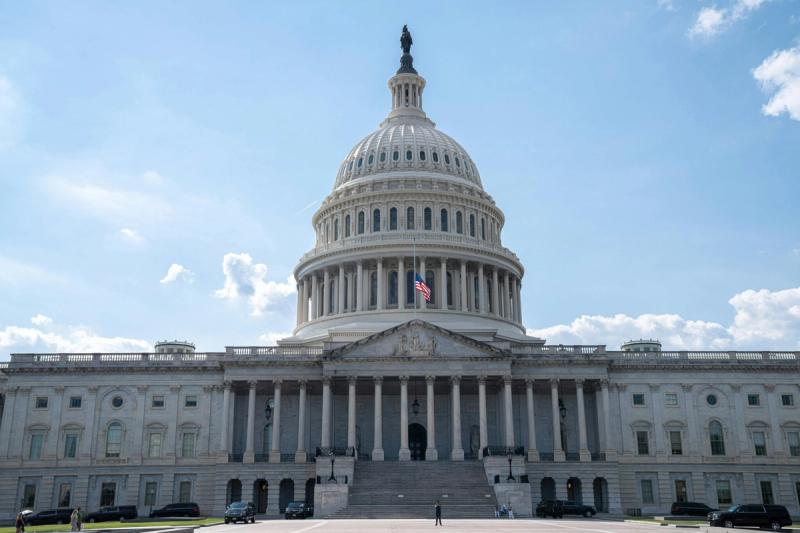
The History of U.S. Tax Policy: Navigating Changes as a Tax Advisor
Over the last four decades or so, the U.S. tax code has evolved from being a relatively straightforward system into an intricate framework of regulations, deductions, and provisions. With the complexity of the tax code challenging even the most seasoned tax professionals, the accounting industry has seen a huge rise in tax professionals who focus on specific areas of taxation.

Tax Advisor Weekly — October 10, 2025
From Main Street to Silicon Valley, the latest federal moves are rippling through tax strategy and planning. Startups may now rethink their entity choice thanks to expanded QSBS exclusions, while financial advisors are cautiously upbeat about client retirement prospects and tax burdens under the One Big Beautiful Bill Act (OBBBA). Meanwhile, the government shutdown continues into its second week, furloughing half of the IRS and raising new risks for refunds, audits, and processing delays. And as immigration and labor policy take a turn, the Trump administration is advancing stricter H-1B visa rules.

PTE SALT Cap Workarounds in 2025: Who Should Elect, When, and State-by-State Nuances
In high-tax states across America, business owners have watched their state and local tax deductions shrink under federal caps. Pass-through entity tax elections may have emerged as a SALT cap workaround to help preserve deductions, but recent legislative proposals threaten to reshape these strategies.

What the Crypto Wash Sale Rule Means in 2025
Tax planning for crypto investors is on the brink of a major change. While current tax law still allows investors to exploit the wash sale loophole—selling an asset at a loss and repurchasing it immediately to claim a tax deduction—this advantage is unlikely to last.

Section 179 vs Bonus Depreciation in 2025
Among the numerous changes that the One Big Beautiful Bill Act has brought into play, business tax incentives have experienced a major upgrade. This legislation has completely transformed Section 179 and bonus depreciation, creating opportunities to immediately deduct qualifying property purchases.

Understanding the Roth IRA 5-Year Rule: Withdrawals, Conversions, and Timeline
For all the considerable advantages that a Roth IRA brings to retirement planning, it comes with small print that investors need to be aware of. Chief among these details is the Roth IRA 5-year rule—a timing requirement that determines when you can access retirement funds tax-free and how conversions from traditional accounts get treated.

Tax Advisor Weekly — October 3, 2025
Fiscal drama is colliding with tax policy again this week. The federal government officially shut down after a deadlock in Congress over Affordable Care Act premium tax credits that support 22 million Americans. At the same time, President Trump has escalated his tariff strategy—targeting foreign-made films, heavy trucks, and even household furniture. Meanwhile, advisors are watching how these trade measures interact with inflation and consumer spending. And in the corporate tax world, Amazon’s $2.5 billion FTC settlement comes with a big catch: most of it is tax-deductible.

Our Guide to Capital Loss Carryforward Rules (Limits, Examples, and FAQs)
Investment losses can create tax difficulties when losses exceed the amount you can deduct in a single year, resulting in financial setbacks that come with limited tax relief. Capital loss carryforward, however. offers a solution that allows you to spread the tax benefits of those losses across multiple years.

Harness Selected for AWS x Meta Llama AI Program to Accelerate AI Innovation for Tax Advisors
Harness Selected for AWS x Meta Llama AI Program to Accelerate AI Innovation for Tax Advisors
Get the newsletter
Tax and equity insights, delivered to your inbox.